


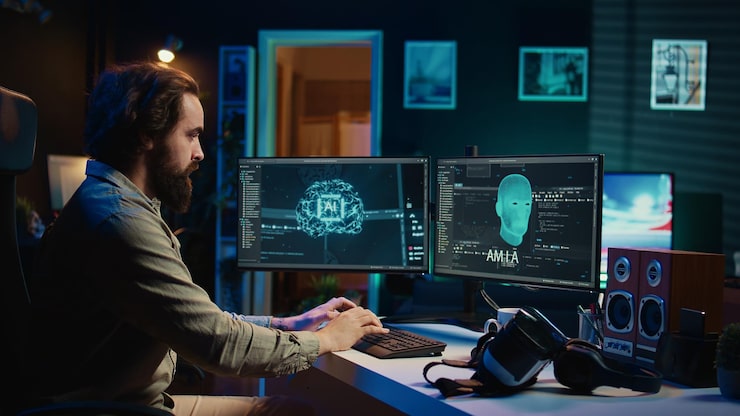
Social engineering attacks target human emotions rather than network vulnerabilities. Cybercriminals trick employees into sharing corporate credentials or transferring company funds. The integration of artificial intelligence makes these deceptive tactics convincing. Organizations must change the approach to corporate training to combat these threats.
Phishing emails now include realistic multimedia attachments for manipulation. Attackers attach synthetic videos of corporate leaders to gain employee trust. These sophisticated lures bypass standard text-based security filters. Security managers must focus on improving human verification skills across teams.
Software platforms give enterprises the tools to analyze these dangerous assets. Detection programs identify visual edits that human eyes miss completely. Combining automated analysis with clear verification protocols protects sensitive corporate communications. Empowered workforces reduce the likelihood of data system breaches.
Building Human Firewalls with Security Awareness
Technology alone cannot protect an enterprise from targeted identity spoofing attacks. Employees must act as an active defensive layer within the company network. Developing high levels of security Awareness helps staff members identify malicious communication attempts quickly. Vigilant employees protect critical data assets from unauthorized external access.
Security education programs teach workers how to question unusual business requests. When an employee receives a strange audio message, they must double-check its origin. This simple habit stops corporate fraud before any financial damage occurs. A strong human firewall keeps the entire organization secure.
Identifying Phishing Tactics and Deepfake Preparedness
Cybercriminals use synthetic media to build trust during multi-stage phishing campaigns. They send realistic voice notes to confirm fraudulent email requests. This multi-channel approach confuses employees and leads to serious security breakdowns. Achieving comprehensive Deepfake Preparedness requires understanding these complex cross-platform tactics.
Training programs show staff members how to analyze suspicious digital attachments. Workers learn to check file headers and inspect visual elements for flaws. Recognizing these subtle signs of manipulation prevents successful network infiltration attempts. Educated teams keep corporate data environments clean and secure.
The Role of Employee Awareness in Communication
Clear internal communication protocols eliminate opportunities for digital identity manipulation. Companies should establish official channels for all financial and administrative approvals. Employees must avoid using unverified external applications for official business tasks. Maintaining strict communication standards protects sensitive organizational information resources.
Management teams must support employees who question unusual operational directives. Encouraging a culture of verification reduces the risk of successful social engineering. When workers feel safe verifying commands, security compliance improves naturally. Open communication strengthens the entire company’s defensive posture.
Practical Training Exercises for Deepfake Preparedness
Interactive training modules place employees in realistic cyber threat scenarios. Staff members practice responding to simulated voice phishing calls from executives. These practical exercises build muscle memory for handling real security incidents. Hands-on experience improves retention rates better than traditional video presentations.
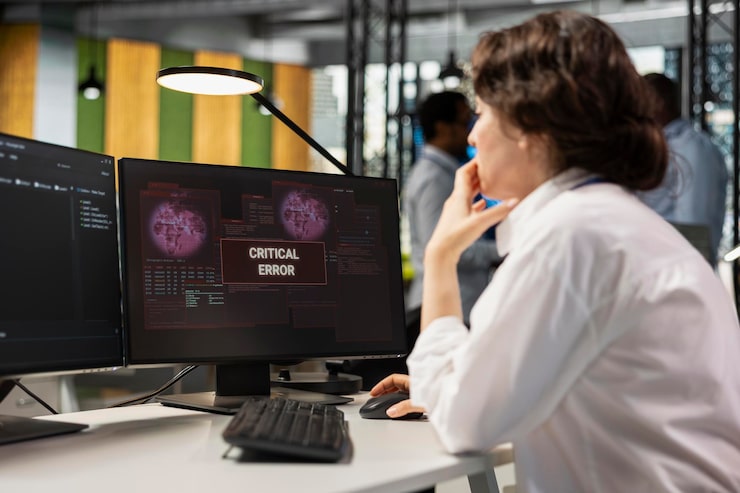
Security teams analyze the results of training exercises to track performance. They identify which departments need additional educational sessions to improve compliance. Targeted training ensures efficient use of company security resources. Continual practice prepares the entire enterprise for future challenges.
Strategic Training Solutions for Higher Awareness
Strategic training solutions integrate cybersecurity education into daily business workflows. Short, frequent learning modules keep security top-of-mind for busy employees. This continuous approach builds lasting behavioral changes across the corporate workforce. Organizations maintain higher safety standards through regular educational updates.
Corporate training should expand beyond simple password management guidelines. Modern modules must cover generative artificial intelligence and identity spoofing trends. Understanding the tools used by attackers helps employees anticipate new tactics. Comprehensive education prepares workforces for sophisticated digital threats.
Verifying Corporate Information to Ensure Deepfake Preparedness
Verification protocols require employees to use independent communication channels for confirmation. If an executive requests a wire transfer via audio message, the employee calls them back directly. This secondary check confirms the legitimacy of the request immediately. Robust verification standards are vital for complete enterprise safety.
Security software assists this verification process by analyzing file metadata instantly. The system flags media files that originate from unverified external networks. IT teams receive alerts when a potential spoofing attempt occurs. Automated assistance streamlines the corporate information verification process.
Developing Educational Modules to Boost Security Awareness
Educational content developers design engaging modules focused on synthetic media risks. The lessons explain how generative software creates fakes from public files. Understanding this technology removes the mystery surrounding advanced cyber threats. Knowledgeable employees are less likely to fall victim to manipulation.
Modules include visual examples of common media manipulation errors. Workers study pixel distortion, artificial lighting, and audio synchronization problems. Learning these technical tells allows employees to spot fake media files instantly. Comprehensive educational content drives organizational safety forward in the digital landscape.
Monitoring Training Success for Deepfake Preparedness
Enterprise dashboards monitor employee completion rates for security modules. Managers view detailed metrics on how well teams understand digital risks. This data helps compliance officers verify corporate training standard alignment. Regular monitoring ensures the workforce maintains high readiness levels.
Long-term monitoring tracks the reduction of security incidents over time. As training compliance increases, successful social engineering attacks drop significantly. This positive trend demonstrates the clear return on cybersecurity education investments. Continuous tracking helps companies optimize threat mitigation strategies.
Final Summary on Media Spoofing Awareness
Defending against advanced social engineering requires continuous employee education programs. While technical security filters block many threats, human vigilance remains essential. Organizations must build an active human firewall to secure internal communications. Prioritizing digital verification practices protects long-term business assets and operational stability.
Deepfake Dashboard provides the perfect framework to upgrade corporate defense systems. The platform delivers training simulation options and media verification tools. Companies build strong protection against identity manipulation by empowering workforces. Embracing these advanced security solutions ensures comprehensive corporate safety.
Training FAQ for Deepfake Preparedness
Q1: Why do traditional phishing filters fail against synthetic media?
A: Traditional filters search for malicious text patterns and bad links. Synthetic media files contain realistic audio or video content that looks legitimate, allowing them to bypass automated scanning tools and reach user inboxes.
Q2: How can corporate awareness stop social engineering attacks?
A: Awareness trains employees to recognize visual and auditory signs of media manipulation. When workers spot these technical flaws, they follow verification protocols and refuse to comply with fraudulent requests.
Q3: What makes Deepfake Dashboard an effective training tool?
A: The platform creates realistic, safe simulations of synthetic media attacks. These exercises allow employees to experience current threat tactics firsthand, improving their ability to spot real cyber threats during daily operations.
