


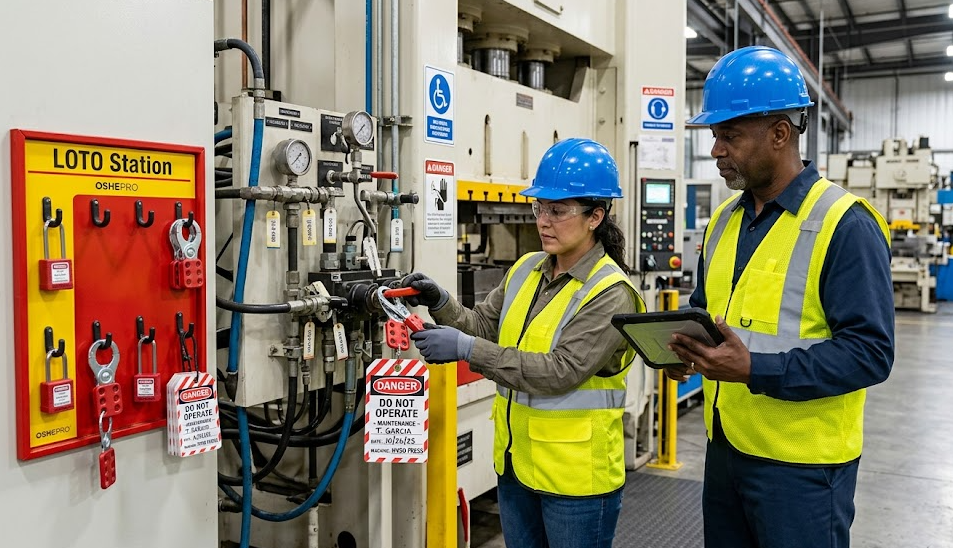
Workplace safety becomes significantly more important when employees are exposed to machines and hazardous energy sources, and Lockout Tagout is one of the most effective safety procedures used to prevent accidental equipment start-ups that can cause serious injuries or even fatalities while also helping organizations maintain compliance with safety regulations and create a safer and more controlled working environment that supports productivity and employee well-being.
Understanding Hazardous Energy and Its Risks
Hazardous energy exists in many forms, including electrical, mechanical, hydraulic, pneumatic, and thermal energy, and when these energy sources are not properly controlled during maintenance or servicing activities, they can lead to unexpected equipment activation that puts employees at risk, which is why implementing proper energy control procedures is essential for ensuring safety and preventing workplace accidents.
How Lockout Tagout Works in Practice
In practical terms, lockout tagout involves identifying all energy sources connected to a piece of equipment, shutting down the machine using standard operating procedures, isolating each energy source, applying lockout devices to prevent reactivation, and verifying that the equipment is completely de-energized before any maintenance work begins, creating a secure environment where employees can perform their tasks without fear of unexpected hazards.
Why Consistency in LOTO Procedures Matters
Consistency is a key factor in the effectiveness of lockout tagout programs, as inconsistent procedures or lack of standardization can lead to confusion and increase the risk of errors, while organizations that implement clear and uniform processes ensure that every employee follows the same safety steps, reducing the likelihood of accidents and improving overall compliance with safety standards.
The Importance of Safety Data in Maintenance Work
Access to accurate safety information is essential when performing maintenance tasks, as employees need to understand both equipment-related risks and chemical hazards associated with the work environment, and incorporating systems that include SDS data ensures that workers are well-informed about potential dangers, enabling them to take appropriate precautions and improve safety outcomes.
How Technology Enhances Lockout Tagout Programs
The adoption of digital tools has significantly improved how organizations manage lockout tagout procedures, with modern platforms powered by EHS compliance software providing centralized systems that automate documentation, track compliance, and offer real-time insights into safety processes, allowing businesses to reduce manual errors, improve efficiency, and ensure that safety protocols are consistently followed across all operations.
Practical Strategies for Improving LOTO Effectiveness
To strengthen lockout tagout programs, organizations should focus on providing comprehensive training to employees, ensuring that all equipment is properly labeled, developing clear and detailed procedures, and conducting regular audits and inspections to identify gaps and areas for improvement, while also encouraging employee involvement in safety initiatives to build a culture of accountability and continuous improvement.
Risks Associated with Poor LOTO Implementation
When lockout tagout procedures are not properly implemented, organizations face serious risks, including workplace injuries, regulatory penalties, and operational disruptions, as employees may be exposed to hazardous energy without adequate protection, which can lead to accidents that could have been prevented through proper safety measures and adherence to established procedures.
How OSHEPRO Supports Safer Operations
OSHEPRO provides advanced EHS management software designed to help organizations manage lockout tagout processes more effectively by offering tools for tracking compliance, automating recordkeeping, and analyzing safety data, enabling businesses to improve efficiency, reduce risks, and maintain high safety standards while meeting regulatory requirements.

Building a Strong and Sustainable Safety Culture
Creating a safe workplace requires more than just implementing procedures; it involves fostering a culture where safety is a shared responsibility among all employees, and by promoting awareness, encouraging communication, and continuously improving safety practices, organizations can create an environment where employees feel confident and protected while performing their tasks.
Long-Term Benefits of Effective Lockout Tagout Programs
Investing in proper lockout tagout practices provides long-term advantages such as reduced workplace incidents, improved compliance, enhanced operational efficiency, and increased employee trust, as organizations that prioritize safety are better equipped to manage risks, maintain productivity, and achieve sustainable growth while protecting their workforce.
Conclusion
Lockout tagout is a critical safety procedure that helps organizations control hazardous energy, prevent accidents, and ensure compliance with safety regulations, and by implementing consistent practices, providing proper training, and leveraging modern technology, businesses can create a safer work environment while improving operational efficiency and long-term success.
Frequently Asked Questions
What is lockout tagout in simple terms?
Lockout tagout is a safety procedure used to ensure that machines are properly shut down and cannot be restarted during maintenance or repair work.
Why is lockout tagout important for safety?
It helps prevent accidental equipment activation, reduces workplace injuries, and ensures compliance with safety regulations.
How can companies improve lockout tagout programs?
Companies can improve their programs by training employees, standardizing procedures, conducting regular audits, and using EHS management software to manage safety processes efficiently.
