


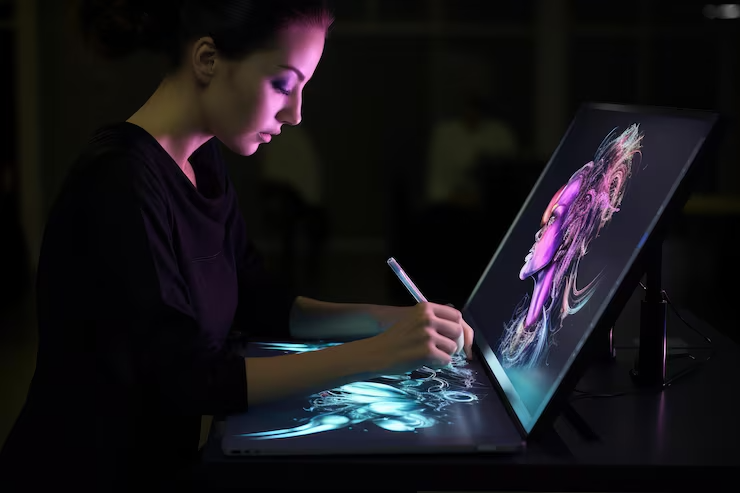
Visual narrative has emerged as an impactful method to convey ideas, narrate stories, and foster engaging online experiences. Although it is innovative, designers, marketers, educators and creators alike are always seeking new methods to visualize content while reducing time and energy. Artificial intelligence is now taking a central role in reimagining how these images are made and adjusted.
One of the most fascinating aspects has been image to image transformation, a process in which users can alter or enhance a given photograph instead of beginning from scratch. This method, especially when paired with the abilities of another AI image generator proves to be a great way to get creative and produce and try new things in the ability of bulk content creation.

Understanding Image to Image Technology
Image-to-image AI is all about taking an existing visual input and generating a new output while keeping important structural components intact. Rather than penning a lengthy description and asking to generate something from scratch, users start with a reference image and steer the system to modify it.
How the Process Works
It is done in a few simple steps – generally three:
Upload an existing image
Please create a humanlike sentence.
Reimagine the image with AI model
The end result is a re-illustrated image, stylized photo, or polished visual concept. Because the AI doesn’t have to scour for a similar image out of the blue, and already understands that template used in a source image, it gives most transformations felt a bit more controlled than generation text-to-image.
This method is particularly useful for creators who want to explore different iterations without discarding the original idea.
Image Generators: The Role of AI
At the heart of this process is a formidable AI image generator trained on massive datasets of images and visual patterns. The systems learn how objects, colors, lighting and artistic styles relate to each other.
When an image is uploaded, the generator assesses its structure and makes alterations to it, determined by what the user wants. A basic product shot, for instance, can be transformed into a cinematic scene, cartoon illustration or futuristic concept design.
This victorian-style template for isLoading at akool. com showcase how these tools can make it easier to do advanced visual editing, maintaining the creative process within reach of everyday users.
Creative Applications Across Industries
The capacity to deliver and manipulate visuals quickly has real-world utility in a number of professional disciplines. Image-to-image tools help teams work even more efficiently, from marketing to education.
Design and Creative Workflows
A lot of the time designers are required to brainstorm multiple routes visually before they can lock in their final idea. With data up to October 2023, Image transformation tools enable them to produce rapid style variations using a single reference image.
Rather than continually re-composing the same layout, designers can rapidly create a half dozen variants using different color palettes, textures or artistic styles.
This helps expedite brainstorming sessions and fosters more experimentation in the creative process.
Marketing and Content Production
Visual contents is a key factor for marketing teams to get noticed online. Not to mention, social posts, blog graphics and advertising visuals all need new content.
Now, marketers can multiply work with an AI image generator: You only need to create one visual. A product photo can, for example, be transformed into variants featuring seasonal themes, artistic illustrations or stylized promotional graphics.
The ability to reuse components helps teams ensure visual consistency while designing a broad range of content for different campaigns.
Entertainment and Storytelling
Image transformation tools are doing favors also to creators of films, designers of games and digital storytellers. Illustrative scans or photographs help establish initial momentums for concept art, character development, and environment design.
Tools powered by A.I. can then blow these ideas out into detailed scenes or stylized visuals that set the tone for the next stage of development.
Instead of replacing artists, these tools function as the creative assistant that quickens early-stage concept development.
Image to Image Tools Are Becoming Increasingly Popular
The widespread adoption of these tools is springing from their ability to strike a balance between creativity and efficiency. They give users a template to work with, but leave plenty of room for artistry.
Faster Iteration and Experimentation
Conventional design processes typically require several rounds of manual editing. Image-to-image systems cut this cycle short and let you iterate visually, fast.
Users can experiment with different lighting effects, styles or compositions without needing to start again from scratch each time. It makes the creative process more fluid and less time-consuming.
Accessibility for Non-Designers
Accessibility is another of the keys to AI image tools’ popularity. Just not everyone has design skills or the expertise to use more complex software.
With just a few simple prompts and visual references, even neophytes can create stunning visuals. This makes it more accessible to implement for creative projects and allows more people to engage in digital design.
Consistent Visual Quality
Trained on data up to October 2023AI models learn the rules of lighting, perspective and composition. This results in generated images that often remain more visually balanced than may be possible to create at the same time.
That consistency becomes particularly valuable for teams producing large volumes of content.
Ethical AI Use in Visual Art Generation
Like any creative technology, responsible use is key. Such AI-generated visuals should augment creativity, not make deliberate design redundant.
Respecting Original Work
Creators must ensure that they retain the rights to the changes made or reference images used. Ethical practices are fundamental to maintaining trust within creative communities and upholding the integrity of artists’ and photographers’ work.
Combining Human Creativity with AI
AI tools are best for assisting, not suggesting, the human judgment. The best results come from a blend of machine help and artistic judgment.
The most critical work of shaping ideas, finding styles and nailing final visuals remains the province of artists, designers and storytellers.
AI just offers a quicker and more fluid approach to experimenting with those concepts.
Conclusion
Image to image technology is revolutionizing the way we generate and enhance visual content. These tools strike a middle ground between creative agency and technological assistance by letting users begin with an existing image and directing its evolution.
Image transformation methods speed up experimentation, democratize the approach, and improve design pipelines thanks to advanced AI image generator systems. Whether it’s marketing visuals, concept art or even more as the technology improves.
