


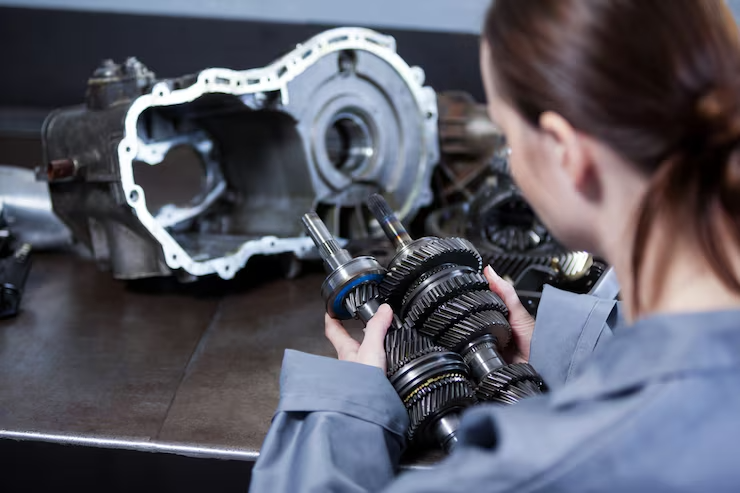
The global car industry manufacture cars with high quality and higher comfort, greater driving stability and improved efficiency. One of the key technologies making this convenience possible is the automatik getriebe, or automatic transmission. Unlike manual systems, which need constant driver input to switch gears, auto systems do that automatically so the drivers focus more on the road.
Automatic transmissions are praised for their ease of use, but they’re not without maintenance requirements if you want yours to perform reliably over the years. For the smooth operation of your vehicle system and to avoid long-term mechanical failures, regular servicing including automatikgetriebe ölwechsel is extremely important.

How an Automatik Getriebe Works
Automatic transmissions are sophisticated mechanical devices responsible for distributing power from the engine to the wheels with seamless gear ratio selections. It offers a design that allows the vehicle to accommodate various speeds and driving conditions without needing the driver to shift gears manually.
How Automatic Transmissions Work: The Key Components
There are several pieces that make it all run smoothly:
Torque Converter: It transfers power from the engine to the transmission of automatic vehicles, letting them stop without stalling.
Planetary Gear Sets: Offer a selection of gear ratios that accommodate acceleration and cruising.
Hydraulic System: Controls gear shifts via pressurized transmission fluid.
EU: Monitors driving conditions, alters shift patterns.
These elements must work in perfect harmony. Even minor disturbances — like fluency transmission fluid — can impact performance and efficiency.
Why Automatic Transmissions Are Popular
More drivers are switching to cars with automatic systems due to:
- Easier driving in heavy traffic
- Smoother acceleration and gear changes
- Minimized driver fatigue on long-distance road trips
- Tighter integration with contemporary driver-assistance technologies
But just because it is convenient doesn’t mean you won’t have to perform regular maintenance. Automatic transmissions are complex systems that depend on proper lubrication and cooling.
How Transmission Fluid Plays a Part in Performance
Transmission fluid is the lifeblood of an automatic gearbox. It has several purposes: lubricating, cooling and hydraulic pressure control.
Lubrication and Heat Control
There are many moving parts that move quickly and heat up inside the transmission. Transmission fluid helps to decrease friction between these components, and it also helps cool down heat produced by operation. Wear on parts can happen quickly — or lead to failure, without proper lubrication.
Hydraulic Function and Gear Shifting
Automatic transmissions use hydraulic pressure for gearshifts Transmission fluid moves through channels and valves to engage clutch packs and bands that shift gears. If the fluid gets contaminated or breaks down, hydraulic pressure can decrease, causing delayed or harsh shifting.
This is the reason why it occurs regular automatikgetriebe ölwechsel. Swapping out the old fluid allows the transmission to pump through fresh, and only a constant mix of relatively clean fluid with low particulates keeps components from wearing prematurely.
When Your Transmission Needs to Be Looked At
Many drivers believe that automatic transmissions don’t need much maintenance, but several warning signs can tell them when service is due.
Delayed or Rough Gear Shifts
If it hesitates when shifting gears or if the gears are changing at a rough bang, this could also indicate worn fluid of the transmission and / or internal wear.
Unusual Noises
Grinding, whining, or clunking sounds that occur when you accelerate or switch gears may mean there is a mechanical issue in the transmission system.
Fluid Leaks or Overheating
Transmission fluid leaks usually manifest as reddish spots on the ground beneath the car. Overheating is a serious issue, and one of the most common reasons for transmission damage, which can be caused by low fluid levels.
Warning Lights or Performance Changes
Transmission performance in modern cars is monitored by sensors. Professional grade inspection is suggested in case of warning light igniting or vehicle not accelerating smoothly.
For detailed resources supporting transmission care and maintenance, drivers can check out some of the information available at
https://www.veltech.at/
,current.com/resources, gearbox designs, and servicing practices.
Why Regular Automatikgetriebe Ölwechsel Matters
Transmission fluid is not a forever solution. Over time, it gets contaminated with metallic particles, debris and thermally induced decomposition products. Which significantly reduces its ability to lubricate and cool the system.
Preventing Long-Term Mechanical Damage
Old transmission fluid can cause excessive friction among the inner components. This necessitates rapid wear on clutch plates, gases, and seals. Regular oil changes go a long way in ensuring proper lubrication to prevent unnecessary wear on these components.
Maintaining Smooth Driving Performance
New transmission fluid enhances hydraulic responsiveness, which helps the gearbox become smooth and consistent in its shifts. Not only does this add comfort to the drive, it guarantees that the car is operating as intended.
Extending Transmission Lifespan
If you change transmission fluid at recommended intervals, it can greatly increase the life of the gearbox. Since transmission repairs often involves a significant expense, preventative maintenance is a wise and economical solution for vehicle owners.
Automatic Transmission Maintenance Best Practices
Regular maintenance for an automatic transmission is more than just adding fluid. There are a number of good habits which can contribute to this sustained reliability.
Follow Recommended Service Intervals
Transmission oil replacement service interval is usually mentioned by vehicle manufacturers. These tips differ based on the driving conditions, vehicle model and transmission design.
Avoid Excessive Heat and Strain
Frequent towing, aggressive driving and heavy loads can raise transmission temperatures. Using the right driving modes and keeping correct cooling systems can protect the gearbox.
Perform Routine Inspections
Drivers are able to catch problems early because they regularly check for leaks, weird noises or balance irregularities. Solving small problems early on can avoid larger mechanical failures down the road.
Conclusion
This automatik getriebe has revolutionized modern driving, providing ease of use and performance without needing as many driver inputs. Remarkably, this system is fairly maintenance sensitive to remain stable when you scale the WiFi math for years of useful service.
One of the key maintenance services is the automatikgetriebe ölwechsel, which is critical for lubrication, cooling and hydraulic operation. Any vehicle fitted with the high-performing DCT will benefit from keeping an eye out for tell-tale signs, sticking to prescribed servicing schedules and ensuring transmission fluid is kept in good condition.
