


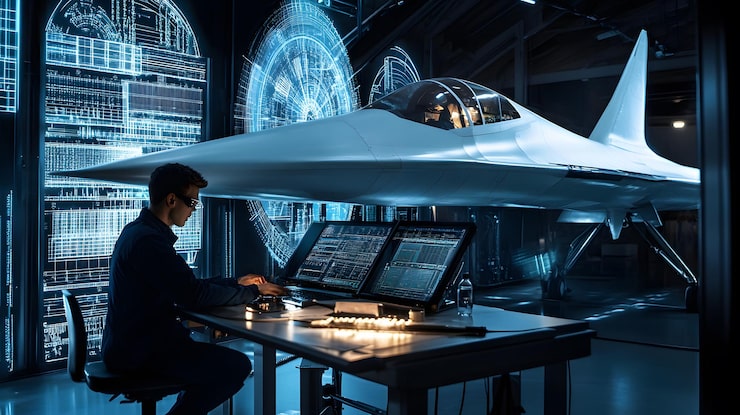
The aviation industry continues to evolve with groundbreaking technologies that redefine safety, efficiency, and performance. At the core of these advancements lies Aerospace systems engineering, a discipline dedicated to integrating complex systems within aircraft and spacecraft. From navigation and communication to propulsion and control, this specialized field ensures every component works seamlessly together. For students, professionals, and enthusiasts, understanding aerospace systems engineering is key to appreciating how modern aviation continues to push the boundaries of innovation.
What is Aerospace Systems Engineering?
Aerospace systems engineering is the practice of designing, analyzing, and managing highly complex systems within aircraft and spacecraft. Unlike traditional engineering, which focuses on individual parts, systems engineering emphasizes integration. This ensures that avionics, propulsion, structural design, and safety mechanisms work harmoniously. By taking a holistic approach, engineers anticipate potential failures, optimize performance, and ensure compliance with safety regulations.
Importance in Modern Aviation
Air travel is one of the safest modes of transportation today, thanks to the precision of aerospace systems engineering. Every aircraft requires careful coordination of communication systems, navigation tools, and flight control mechanisms. For example, when a pilot adjusts the throttle, multiple systems respond simultaneously—from engine power adjustments to aerodynamic balancing. Without proper integration, these processes could lead to system conflicts or safety hazards. This is why systems engineers are central to the aviation industry.
Key Areas of Aerospace Systems Engineering
1. Avionics Integration
Avionics includes flight control systems, radar, communication, and navigation tools. Aerospace engineers ensure these systems are compatible and function reliably under different flight conditions.
2. Safety and Risk Management
Safety protocols, redundancy systems, and failure analysis are all part of systems engineering. Engineers run simulations to prepare for emergencies, ensuring pilots and crew have dependable backup systems.
3. Performance Optimization
Fuel efficiency, noise reduction, and aerodynamic balance are crucial goals. By studying how different components interact, engineers make aircraft more efficient and environmentally friendly.
4. Space Exploration Applications
Beyond aviation, systems engineering supports spacecraft design. This involves life-support systems, communication with ground stations, and autonomous control for long-duration missions.

The Role of an Avionics Systems Engineer
The aviation industry relies heavily on professionals who specialize in avionics. An avionics systems engineer focuses on designing and maintaining electronic systems that support flight operations. Their role includes testing software, ensuring compliance with safety standards, and integrating advanced technologies like satellite-based navigation. As aircraft continue to adopt more automation and digital systems, the expertise of avionics engineers becomes increasingly vital.
Challenges Facing Aerospace Systems Engineering
While the field is advanced, it faces ongoing challenges. Cybersecurity threats, for example, require constant innovation to protect aircraft communication networks. Similarly, sustainability pressures push engineers to develop greener technologies, such as hybrid-electric propulsion and lightweight composite materials. Meeting these challenges requires collaboration across engineering disciplines and continuous research.
Future of Aerospace Systems Engineering
Looking ahead, aerospace systems engineering will play an even greater role in developing next-generation aircraft. Urban air mobility, such as air taxis and drones, relies heavily on precise system integration. Space exploration missions to Mars and beyond will also depend on robust engineering to sustain human life and ensure mission success. With advancements in artificial intelligence and automation, the future promises even smarter and safer aerospace systems.
Conclusion
Aerospace systems engineering is more than just a technical discipline—it is the foundation of modern aviation and space exploration. By integrating multiple technologies into seamless operations, it ensures safety, efficiency, and innovation. From commercial flights to interplanetary missions, the expertise of systems engineers continues to shape the way we travel and explore. As technology evolves, so too will the importance of this field, making it one of the most exciting and impactful areas of engineering in the 21st century.